



Diabetes Device Choices
Overview
Sensor & Injections
Dexcom G7 & Syringe
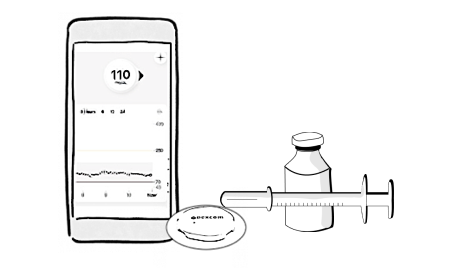
The Dexcom G7 is low maintenance and low profile.
Sensor & Smart Pump
Beta Bionics iLet
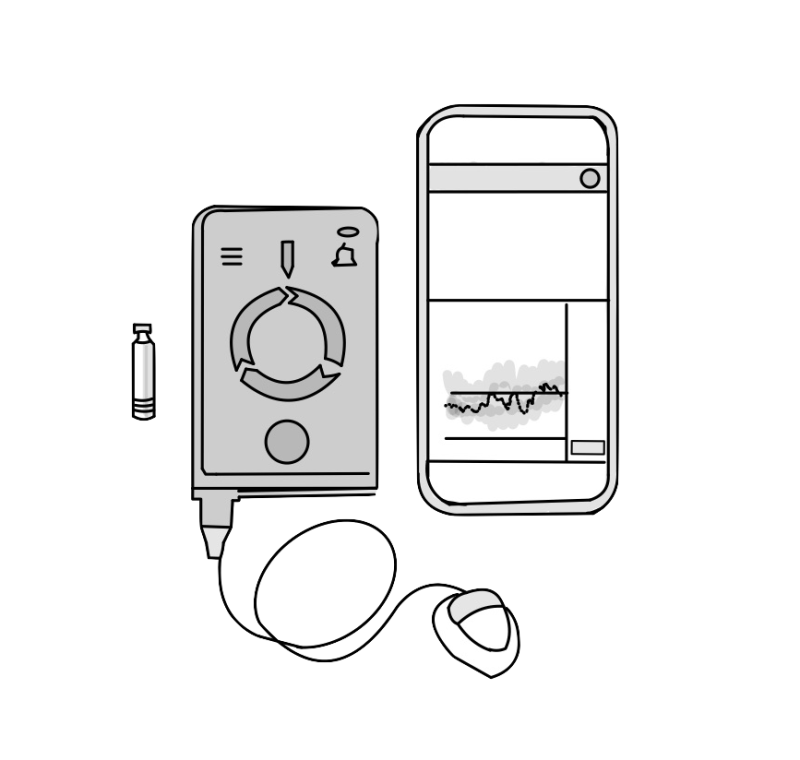
The Beta Bionics iLet system determines 100% of all insulin doses and requires very little input from the user.
- iLet Pump + Dexcom Sensor
Priority: Overall

Next Steps


You're going to do great on the devices you choose
Talk to your provider to get a prescription. Advocate for yourself with a list of reasons why you believe it is best for your lifestyle.
Talk to the device companies about the device you want and if your insurance will cover it. They can help with this.
Many insurance companies require documentation of different qualifications before approving diabetes device coverage. every insurance company is different but some common qualifications include checking your blood sugar 4-6 times per day or having frequent low blood sugars. Understanding what qualifications are necessary for device coverage before starting the approval process can make things a lot easier.
Visit https://study.diabeteswise.org/resources/getting-treatment/qualify-for-insurance/ for more resources.
Questions for your Doctor
Dexcom G7 & Syringe
Can I try this before I commit to it?
A lot of provider offices have sample devices you can touch and feel to get a sense of how they work. Some offices even have a trial device you can use for week to see how it works for you.
Beta Bionics iLet
Questions for your insurance
Many insurance companies require documentation of different qualifications before approving diabetes device coverage. Every insurance company is different, but some common qualifications include checking your blood sugar 4-6 times per day or having frequent low blood sugars. Understanding what qualifications are necessary for device coverage before starting the approval process can make things a lot easier.
Talk to the device companies
Dexcom G7
Call Dexcom and ask them about your coverage. Talk to your Doctor to get a prescription.
1-888-738 3646 Dexcom WebsiteSyringe and Vial
Understand your cost at your local pharmacy.
Insulin Cost OverviewDexcom G6
Call Dexcom and ask them about your coverage. Talk to your Doctor to get a prescription.
1-888-738 3646 Dexcom WebsiteAdditional Resources
By Priorities
 Active Lifestyle
 Avoiding Highs and Lows
 Comfort
 Easy Insulin Dosing
 Easy to Use
 Fewer Fingersticks
 Privacy
Cost & Coverage
Dexcom G7
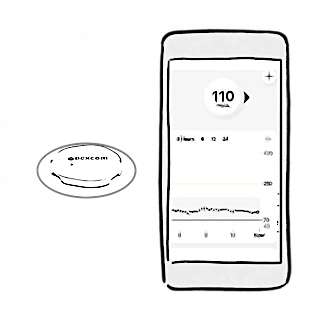
Dexcom G6
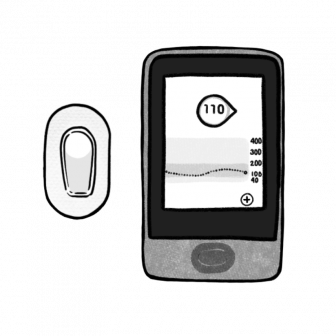
Glucose Testing Supplies
Sensors
Receiver (1-time purchase) - not required
Sensors
Transmitter
Receiver (1 time purchase)
Glucose Testing Cost Estimate
Startup $80 to $239
Monthly less than $40
These prices vary by Insurance. It may be covered under durable medical goods or a pharmacy benefit.
Startup $80 to $239
Monthly $35 to $105
These prices vary by Insurance. Many insurers support the G6 Dexcom. It may be covered under durable medical goods or a pharmacy benefit.
Syringe and Vial
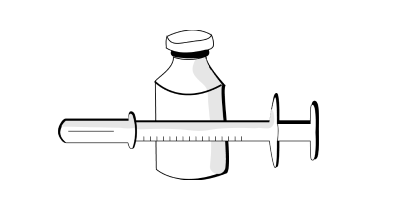
Insulin Dosing Supplies
Syringe ~$30 (Monthly)
Insulin $5 to $500 (Monthly)
Insulin Dosing Cost Estimate
The total amount depends hugely on how much insulin you use and what your insurance covers.