Select Device Freestyle Lingo Freestyle Libre 3 Freestyle Libre 2 Freestyle Libre 14 Day Dexcom G7 Dexcom G6 Dexcom Stelo Guardian Connect Medtronic Simplera Eversense Meter Omnipod Omnipod Dash Medtronic 780G Medtronic 630G Tandem t:slim X2 Bigfoot Unity Medtronic InPen Tempo Pen NovoPen 6/NovoPen Echo Insulin Pen Afrezza CeQur Simplicity Patch V-Go Patch Omnipod GO Patch Syringe and Vial Beta Bionics iLet Pancreas Control IQ with Dexcom Control IQ with Freestyle Libre Medtronic 780G with Smart Guard Omnipod 5 Tandem Mobi Tidepool Loop twiist DIY Loop Apple Series 6/7/8/9/10/SE (2nd Generation) Garmin vívosmart 5™ Garmin Venu Sq 2 Garmin Venu 3 Garmin vivoactive 5 Garmin Fenix 8 Garmin vivofit jr 3 Garmin Forerunner 165/265/965 Garmin epix (Gen 2) Garmin Enduro 3 Fitbit Ace LTE Fitbit Charge 6 Fitbit Inspire 3 Fitbit Versa/Versa 2/4/Versa Lite Fitbit Sense 2 Fitbit Luxe Google Pixel 2/3 Samsung Galaxy 4/5 Xiaomi Mi Band 9 Oura Ring Whoop 4.0 Withings ScanWatch 2 Withings ScanWatch Lite Pedometer 3D Pedometer
Select Device Freestyle Lingo Freestyle Libre 3 Freestyle Libre 2 Freestyle Libre 14 Day Dexcom G7 Dexcom G6 Dexcom Stelo Guardian Connect Medtronic Simplera Eversense Meter Omnipod Omnipod Dash Medtronic 780G Medtronic 630G Tandem t:slim X2 Bigfoot Unity Medtronic InPen Tempo Pen NovoPen 6/NovoPen Echo Insulin Pen Afrezza CeQur Simplicity Patch V-Go Patch Omnipod GO Patch Syringe and Vial Beta Bionics iLet Pancreas Control IQ with Dexcom Control IQ with Freestyle Libre Medtronic 780G with Smart Guard Omnipod 5 Tandem Mobi Tidepool Loop twiist DIY Loop Apple Series 6/7/8/9/10/SE (2nd Generation) Garmin vívosmart 5™ Garmin Venu Sq 2 Garmin Venu 3 Garmin vivoactive 5 Garmin Fenix 8 Garmin vivofit jr 3 Garmin Forerunner 165/265/965 Garmin epix (Gen 2) Garmin Enduro 3 Fitbit Ace LTE Fitbit Charge 6 Fitbit Inspire 3 Fitbit Versa/Versa 2/4/Versa Lite Fitbit Sense 2 Fitbit Luxe Google Pixel 2/3 Samsung Galaxy 4/5 Xiaomi Mi Band 9 Oura Ring Whoop 4.0 Withings ScanWatch 2 Withings ScanWatch Lite Pedometer 3D Pedometer
Summary
Good to have. Tried and true. Backup or day to day. Fingersticks required.
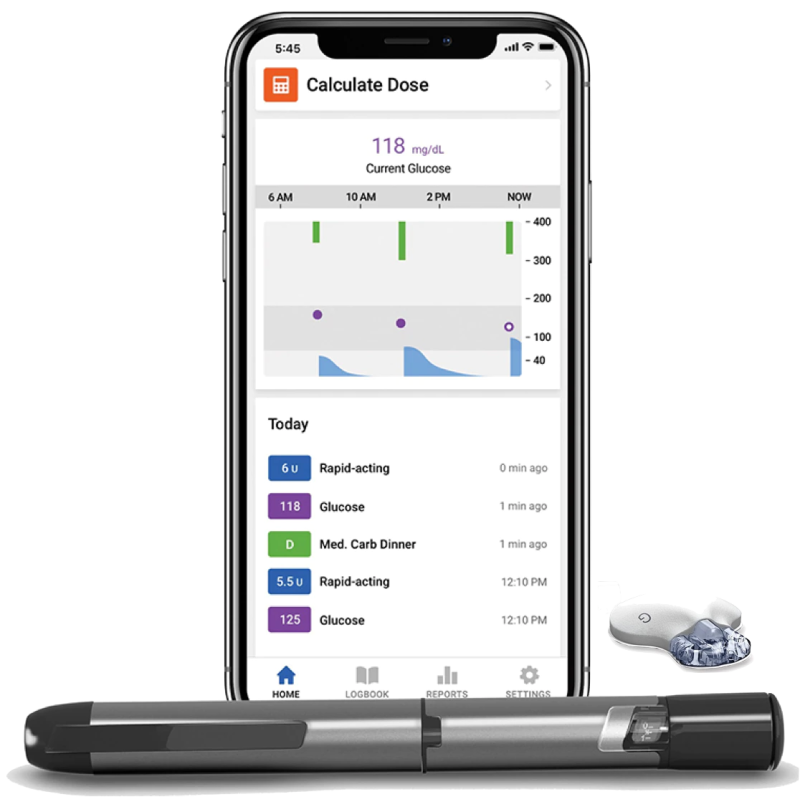
The InPen system enhances management with multiple daily injections because it tracks data in real-time and offers personalized dosing recommendations. This system combines the Guardian Connect CGM with smart insulin pens for more time in range.
Components
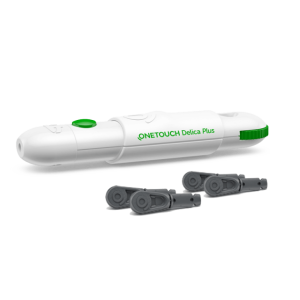
Generic Meter : Lancets
Tiny needle called a lancet is used to poke the skin (on a finger or on your arm) to get a small sample of blood. The lancing device is packaged with the glucometer.
Generic Meter : Test Strips
The strips work with the glucose meters to “read” blood sugar levels. One box of test trips usually contains between 25-50 single use strips.
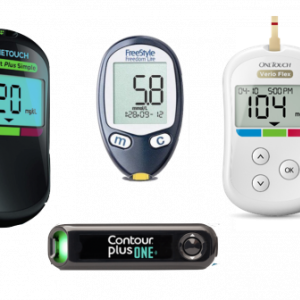
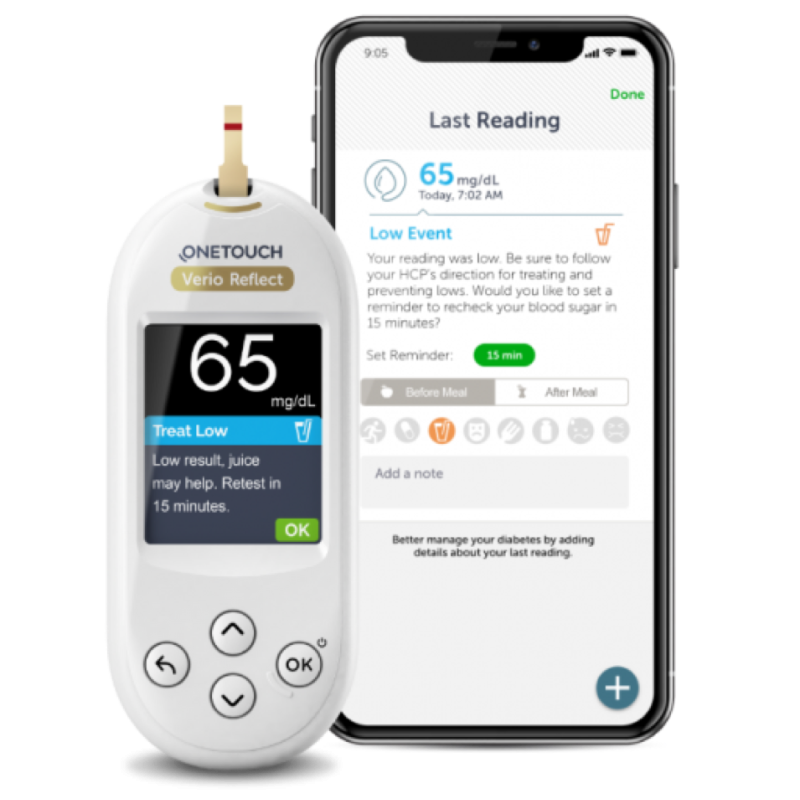
Meter : Glucometer
The meter measures the amount of sugar in the small sample of blood that is placed on the disposable test strip. Most CGMs require testing blood sugar with a meter to calibrate the CGM device daily.
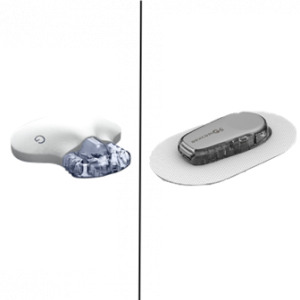
Medtronic InPen : Sensor
Sensor is inserted underneath the skin, either on the abdomen or arm. InPen is compatible with the Medtronic Guardian Connect sensor (left) or the Dexcom G6 sensor (right).
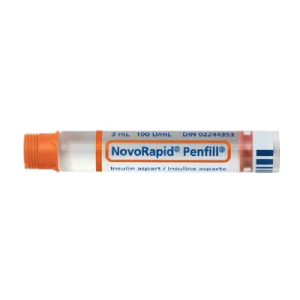
Medtronic InPen : Cartridge
InPen is compatible with Humalog, Novolog, and Fiasp U-100 3.0 mL insulin cartridges.
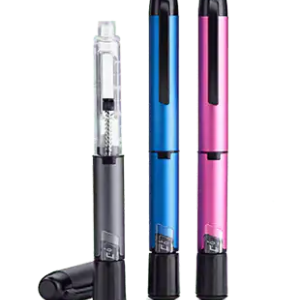
Medtronic InPen : Controller
Inpen connects to a mobile app and displays dosage information directly on a smart mobile device.
Device Details
Overview
Good to have. Tried and true. Backup or day to day. Finger-sticks required.
Discreet and modern option for people using multiple daily injections.
Affordability and Access
$$$$
Most accessible. Available over the counter at all Pharmacies. Price range; $0-$200/month depending on insurance coverage.
$$$$
Widely covered. InPen is covered by many insurance companies, typically users pay $50-$60 out-of-pocket copays for the one-year device. Prices range from $0- $549. For those without any insurance coverage, the pen's full price is $549.
Data Monitoring Options
Limited Options
Data is available directly on the device. Some meters may be compatible with the Tidepool data management system.
Yes
Data can be easily shared with a healthcare provider or family members directly through the InPen app.
Data View Options
Yes
Data may be viewed directly on the device. Some meters contain a built-in USB connection that allows information to be uploaded to a data management system.
Yes
Data can be viewed on the InPen mobile app with dosage recommendations, glucose readings, and glucose trends.
Duration and Storage
Daily
Meters can last several years with battery changes/charging, they're used daily and work between 65ºF-86°F
12-month pen 7-day sensor
Sensor lasts for 7 days, insulin pen lasts for up to 12 months with refillable cartridges, transmitter is rechargeable. Sensor can be stored between 36°F - 86°F and pens can be kept at room temperature.
Vision / Auditory / Dexterity
NO text to speech
NO vibration alerts
A LOT of dexterity needed
NO text to speech
NO vibration alerts
A LOT of dexterity needed
Patient Considerations
Active Lifestyle
Must pause activity to check blood sugar.
Light on body. Pens are easy to use and do not remain attached to the body, sensor is waterproof.
Avoiding Highs and Lows
Less data. Meters don't give as much blood sugar data as sensors do and require a high level of engagement and effort to avoid highs and lows.
Limited customizability. System integrates the Guardian Connect CGM for high or low alerts but requires manual dose adjustment and limits the ability to adjust insulin levels throughout the day.
Comfort
Meter supplies carried and requires visible blood.
Many components. Have to carry InPen and pen needles. CGM is attached to the body and requires more tape than other sensors.
Easy Insulin Dosing
Limited features. No info on blood sugar trends.
Dosing recommendations. Displays dosing recommendations and reminders for long-acting insulin.
Easy to Use
Large display. Device typically has large display numbers for easier readouts, and it's very simple to operate.
Simple design. Replaces regular insulin pen. No additional devices to add on.
Fewer Fingersticks
Frequent fingersticks are unavoidable.
2 daily finger-sticks are needed to calibrate the sensor.
Privacy
No attached device for blood glucose monitoring.
Hideable. Pens are portable but visible when in use. Frequent injections are unavoidable. View recommendations and data on a smartphone.