Select Device Freestyle Lingo Freestyle Libre 3 Freestyle Libre 2 Freestyle Libre 14 Day Dexcom G7 Dexcom G6 Dexcom Stelo Guardian Connect Medtronic Simplera Eversense Meter Omnipod Omnipod Dash Medtronic 780G Medtronic 630G Tandem t:slim X2 Bigfoot Unity Medtronic InPen Tempo Pen NovoPen 6/NovoPen Echo Insulin Pen Afrezza CeQur Simplicity Patch V-Go Patch Omnipod GO Patch Syringe and Vial Beta Bionics iLet Pancreas Control IQ with Dexcom Control IQ with Freestyle Libre Medtronic 780G with Smart Guard Omnipod 5 Tandem Mobi Tidepool Loop twiist DIY Loop Apple Series 6/7/8/9/10/SE (2nd Generation) Garmin vívosmart 5™ Garmin Venu Sq 2 Garmin Venu 3 Garmin vivoactive 5 Garmin Fenix 8 Garmin vivofit jr 3 Garmin Forerunner 165/265/965 Garmin epix (Gen 2) Garmin Enduro 3 Fitbit Ace LTE Fitbit Charge 6 Fitbit Inspire 3 Fitbit Versa/Versa 2/4/Versa Lite Fitbit Sense 2 Fitbit Luxe Google Pixel 2/3 Samsung Galaxy 4/5 Xiaomi Mi Band 9 Oura Ring Whoop 4.0 Withings ScanWatch 2 Withings ScanWatch Lite Pedometer 3D Pedometer
Select Device Freestyle Lingo Freestyle Libre 3 Freestyle Libre 2 Freestyle Libre 14 Day Dexcom G7 Dexcom G6 Dexcom Stelo Guardian Connect Medtronic Simplera Eversense Meter Omnipod Omnipod Dash Medtronic 780G Medtronic 630G Tandem t:slim X2 Bigfoot Unity Medtronic InPen Tempo Pen NovoPen 6/NovoPen Echo Insulin Pen Afrezza CeQur Simplicity Patch V-Go Patch Omnipod GO Patch Syringe and Vial Beta Bionics iLet Pancreas Control IQ with Dexcom Control IQ with Freestyle Libre Medtronic 780G with Smart Guard Omnipod 5 Tandem Mobi Tidepool Loop twiist DIY Loop Apple Series 6/7/8/9/10/SE (2nd Generation) Garmin vívosmart 5™ Garmin Venu Sq 2 Garmin Venu 3 Garmin vivoactive 5 Garmin Fenix 8 Garmin vivofit jr 3 Garmin Forerunner 165/265/965 Garmin epix (Gen 2) Garmin Enduro 3 Fitbit Ace LTE Fitbit Charge 6 Fitbit Inspire 3 Fitbit Versa/Versa 2/4/Versa Lite Fitbit Sense 2 Fitbit Luxe Google Pixel 2/3 Samsung Galaxy 4/5 Xiaomi Mi Band 9 Oura Ring Whoop 4.0 Withings ScanWatch 2 Withings ScanWatch Lite Pedometer 3D Pedometer
Summary
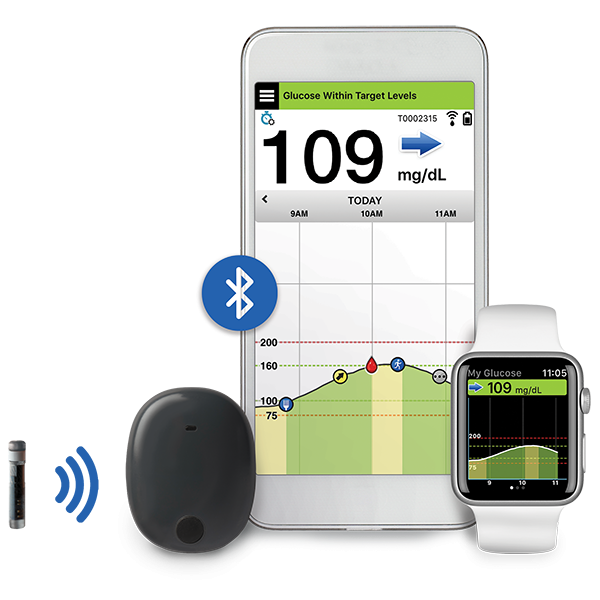
This sensor lasts the longest - 180 days. It has to be placed under the skin by a healthcare provider. It has two parts, the implantable sensor and a transmitter that sends data to a mobile device.
MARD: 8.5-9.1%
*Recently FDA approved for use with insulin pumps.
The Omnipod GO is a patch pump that provides a fixed rate of continuous rapid-acting insulin in seven rates ranging from 10 to 40 units per day for up to 72 hours. This device is a standalone tubeless, waterproof pod that provides a convenient alternative to traditional insulin delivery methods.
FDA-approved for people 18 years of age and older with type 2 diabetes who need long-acting insulin injections.
*Omnipod GO is expected to be commercially available in the United States in 2024
Components
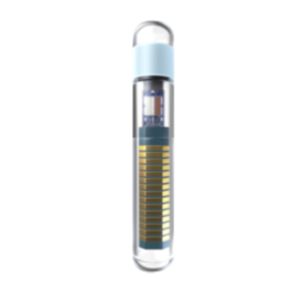
Eversense : Sensor
Professionally inserted by a physician during a medical visit. Minor procedure.
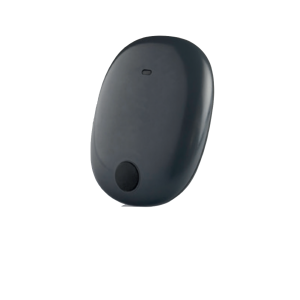
Eversense : Transmitter
Transmitter sits outside of the body and is held on by an adhesive. Sends data every 5 minutes to a connected mobile device.
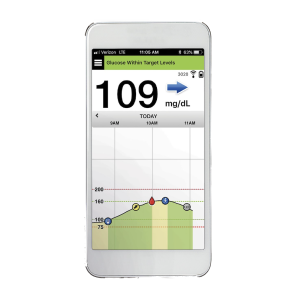
Eversense : Receiver
Real-time glucose measurements sent to a compatible mobile-device or smart watch. No need for a separate receiver. Available for both iOS and Android devices.
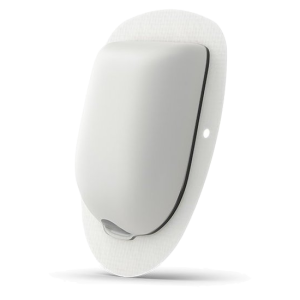
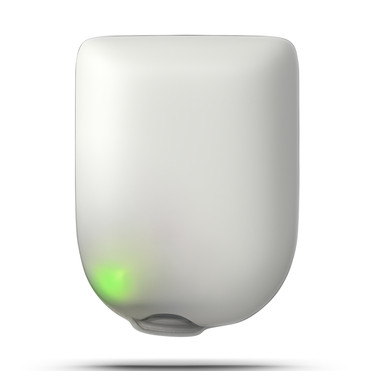
Omnipod GO Patch : Patch
Pods come with reservoirs and directions for application. They can be applied anywhere on the body that is comfortable.
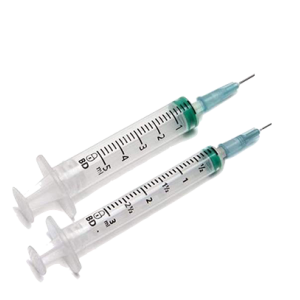
Omnipod GO Patch : Reservoir
Fill reservoir is enclosed with the Pod and used to manually fill the Pod with insulin.
Device Details
Overview
Very small implantable sensor but large transmitter must be worn on top of the skin.
Convenient, waterproof, and simple to use.
Affordability and Access
$$$$
Sometimes covered. Insertion and removal require a Health Care Provider. Insertion costs $100-$300, and removal costs $100-$400. Sensor and transmitter cost $800-$1400.
$$$$
Widely covered for insulin-dependent 2. Supplies provided by DME or pharmacy. Price range; $33-$46/unit.
Data Monitoring Options
Yes
CGM data can upload automatically to the web-based Eversense data management system (EDMS) from the Eversense mobile app.
No Options
Data View Options
Yes
Eversense mobile app receives and displays data in easy-to-read charts and graphs that can be shared with family and friends through the Eversense NOW app.
No Options
Duration and Storage
180 Days
Sensor lasts 180 days, but a physician must implant it. Transmitter must be charged daily.
72-Hours
Patch can be worn for up to 72 hours and works in most temperatures (not for use in hot tubs, saunas, or freezing conditions). Does not require batteries or recharging.
Vision / Auditory / Dexterity
YES text to speech
YES vibration alerts
SOME dexterity needed
NO text to speech
NO vibration alerts
A LOT of dexterity needed
Patient Considerations
Active Lifestyle
Water-resistant transmitter when submerged in 1 meter of water for up to 30 minutes and must be within 25 feet of the connected smart device.
Tubeless and waterproof pod. No way to adjust long-acting insulin for higher activity on the fly, but the device is tubeless and waterproof.
Avoiding Highs and Lows
On-body vibration alerts when blood glucose levels are higher or lower than the set range. Trend arrows show the direction glucose is heading, with the rate of change.
Limited customizability. System requires manual dose adjustment and limits the ability to adjust insulin levels throughout the day.
Comfort
Longest lasting sensor fits comfortably under the skin. Minor procedure is required.
Free of tubing. Patches do not have tubing.
Easy Insulin Dosing
Predictive alerts make insulin dosing easier by tracking high and low trends.
Modifiable. The pod is available in seven different pre-programmed daily rates, ranging between ten and 40 units a day.
Easy to Use
Minor procedure. Requires insertion by a physician during a medical visit.
Simple with few steps. Patch is replaced every 72-hours with a fixed rate of continuous rapid-acting insulin.
Fewer Fingersticks
2 daily finger-sticks are needed to calibrate the sensor.
Frequent finger-sticks are required.
Privacy
Somewhat discreet. Tiny sensor is implanted under the skin, so the user can be discreet when needed. Ability to see sugar on watch or phone. Sensor not movable on body and requires regular meter use.
Hideable. Bulkier patch pump, but not as noticeable as injections.